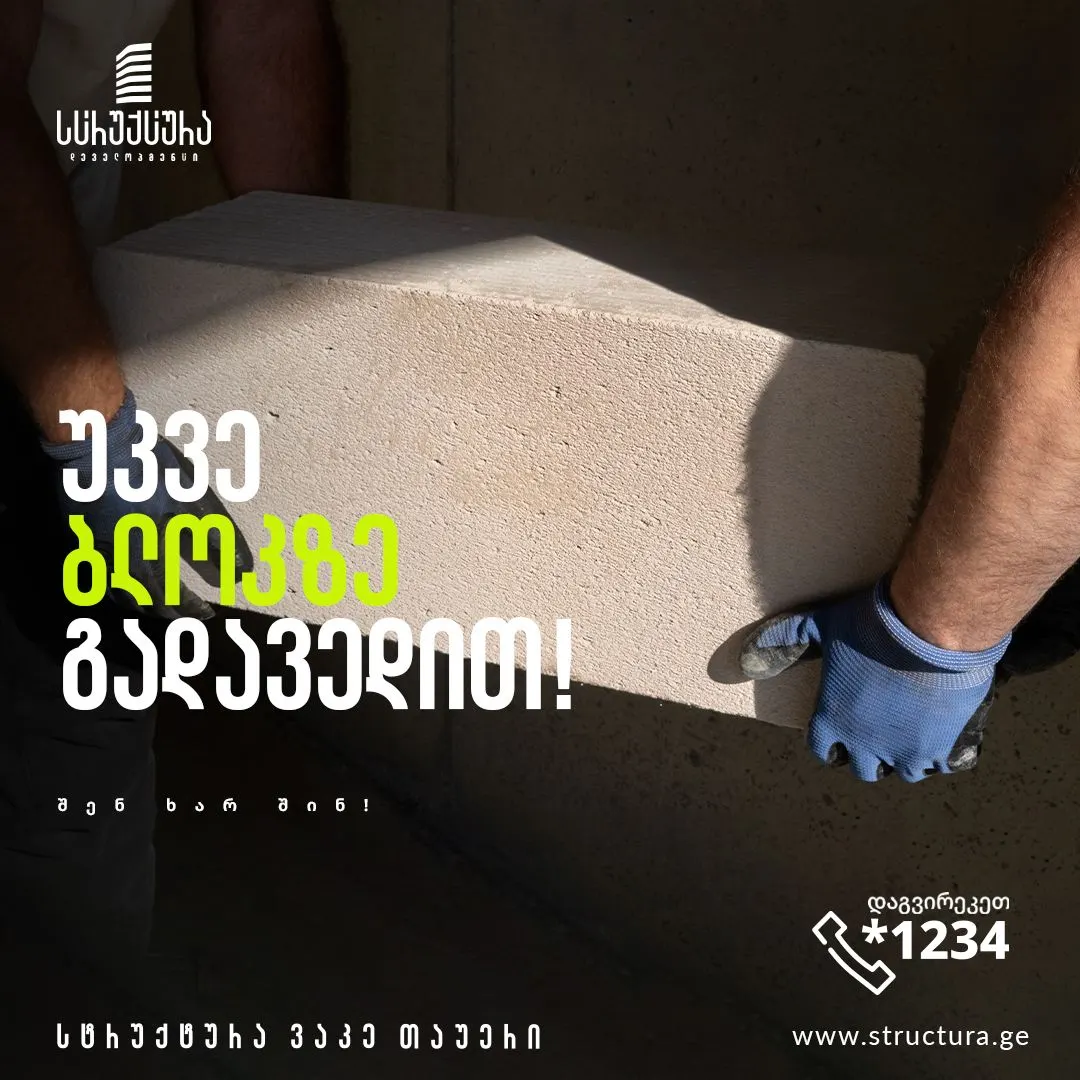
We’ve officially moved on to the blockwork!
Parallel to the monolithic framing, we’ve intensively started raising the walls. Everything is moving according to schedule, ensuring top-tier quality.
Experience life in Vake, Tbilisi's most exclusive district, near Mziuri Park.
5a Ilia Chavchavadze Ave.
For details call us at: *1234 or +995 595 77 88 99 WhatsApp/Viber
Structura Vake Tower - A better structure for life!
#StructuraDevelopment #YouAreatHome
უკვე ბლოკზე გადავედით!
მონოლითური კარკასის პარალელურად, ინტენსიურად დავიწყეთ კედლების ამოყვანა. პროცესი გეგმის მიხედვით, ხარისხის სრული დაცვით მიდის.
იცხოვრეთ ვაკეში, მზიურის პარკთან.
ილია ჭავჭავაძის გამზირი 5ა.
დეტალებისთვის დაგვირეკეთ: *1234 ან +995 595 77 88 99 WhatsApp/Viber
სტრუქტურა ვაკე თაუერი - უკეთესი ცხოვრების სტრუქტურა!
#სტრუქტურადეველოპმენტი #შენხარშინ
•
We’ve officially moved on to the blockwork!
Parallel to the monolithic framing, we’ve intensively started raising the walls. Everything is moving according to schedule, ensuring top-tier quality.
Experience life in Vake, Tbilisi's most exclusive district, near Mziuri Park.
5a Ilia Chavchavadze Ave.
For details call us at: *1234 or +995 595 77 88 99 WhatsApp/Viber
Structura Vake Tower - A better structure for life!
#StructuraDevelopment #YouAreatHome
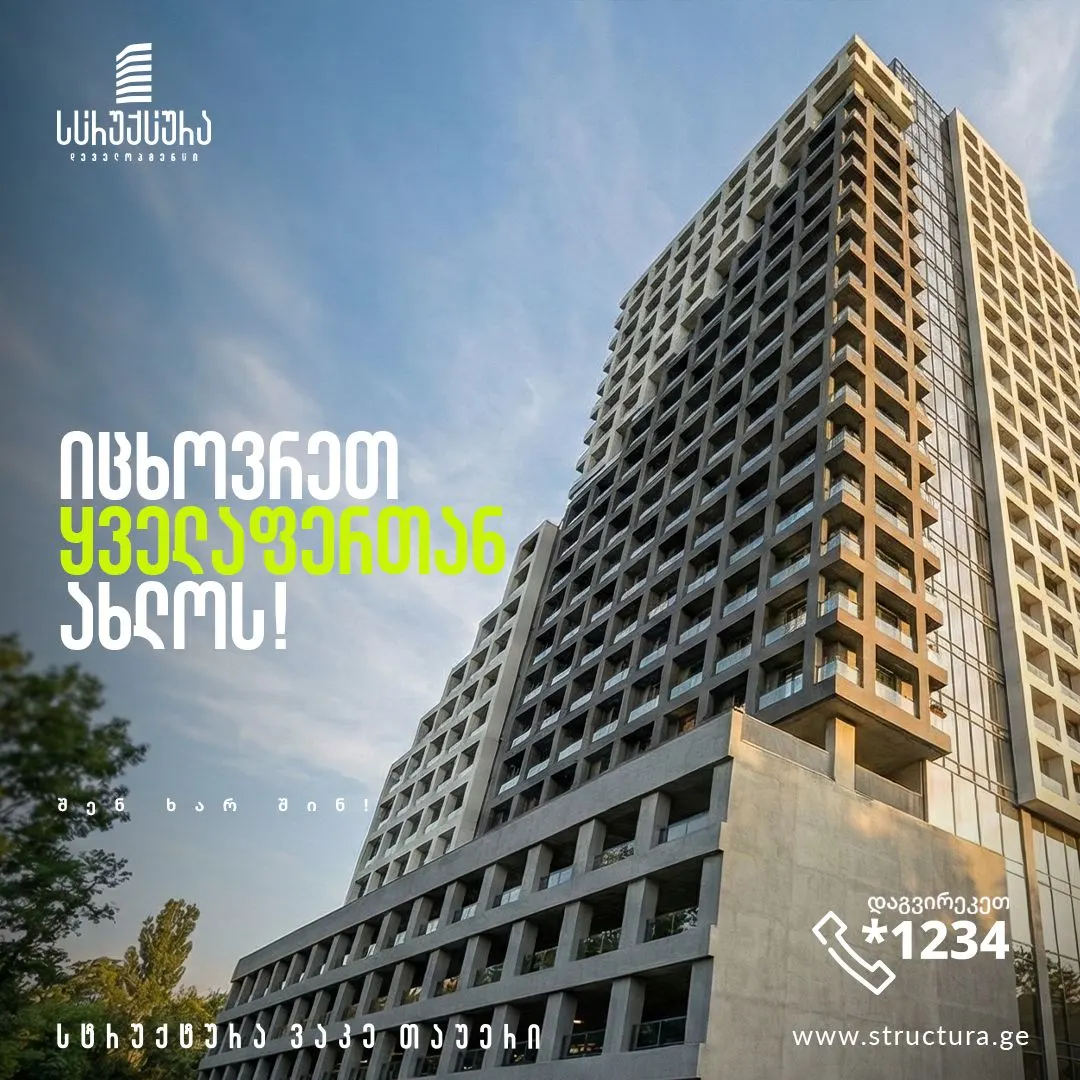
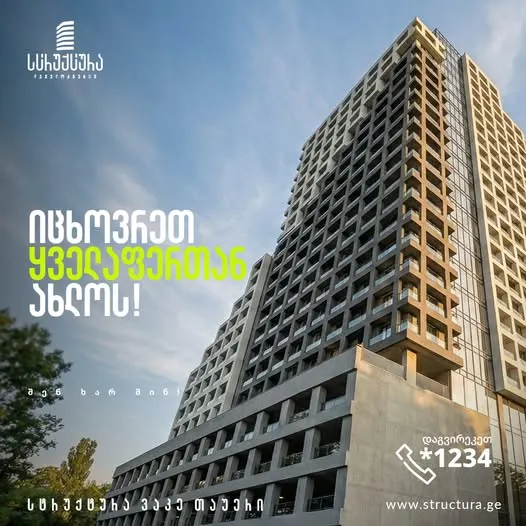
Live close to it all!
Structura Vake Tower - 5a Ilia Chavchavadze Ave.
For details call us at: *1234 or WhatsApp/Viber: +995 595 77 88 99
www.structura.ge
იცხოვრეთ ყველაფერთან ახლოს!
სტრუქტურა ვაკე თაუერი - ილია ჭავჭავაძის გამზირი 5ა.
დეტალებისთვის დაგვირეკეთ ნომერზე: *1234 ან +995 595 77 88 99 WhatsApp/Viber
•
Live close to it all!
Structura Vake Tower - 5a Ilia Chavchavadze Ave.
For details call us at: *1234 or WhatsApp/Viber: +995 595 77 88 99
www.structura.ge
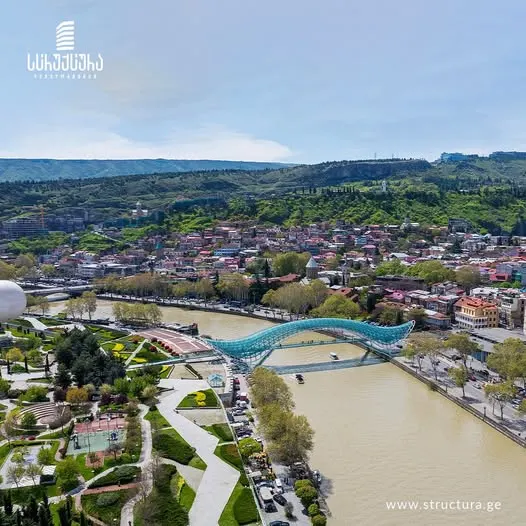
თბილისის ცენტრში, მტკვარზე გადაჭიმული მშვიდობის ხიდი თანამედროვე დედაქალაქის ერთ-ერთი ყველაზე ცნობილი სიმბოლოა. 2010 წელს გახსნილი ეს საფეხმავლო ხიდი იტალიელი არქიტექტორის, მიკელე დე ლუკის, და ფრანგი განათების დიზაინერის, ფილიპ მარტინოს, ერთობლივი ნამუშევარია. მისი მშენებლობა თავის დროზე დიდ აზრთა სხვადასხვაობას იწვევდა, რადგან ულტრათანამედროვე კონსტრუქცია ისტორიულ განაშენიანებაში იჭრებოდა, თუმცა დროთა განმავლობაში ხიდი ორგანულად ჩაეწერა ქალაქის იერსახეში და ტურისტებისა თუ ადგილობრივების საყვარელ თავშეყრის ადგილად იქცა.
ხიდის არქიტექტურა თავისი უნიკალური, ტალღოვანი ფორმითა და შუშის სახურავით გამოირჩევა, რომელიც ზღვის ცხოველის სილუეტს ან მდინარის დინებას მოგვაგონებს. 156 მეტრის სიგრძის ლითონისა და მინის კონსტრუქცია განსაკუთრებით შთამბეჭდავი ღამით ხდება, როდესაც შუქდიოდური განათებით ნათდება. განათების სისტემა სპეციალური პროგრამით მუშაობს და მორზეს ანბანით გამოსახავს ქიმიურ ელემენტებს, რომლებისგანაც ადამიანის ორგანიზმი შედგება - ეს ჩანაფიქრი ადამიანთა თანასწორობასა და ერთიანობას უსვამს ხაზს.
მშვიდობის ხიდის მთავარი მნიშვნელობა მის სიმბოლურ და ფუნქციურ მისიაშია: ის აკავშირებს მტკვრის ორ ისტორიულ სანაპიროს - მარჯვნივ ძველი ქალაქის ვიწრო, ტრადიციულ ქუჩებს და მარცხნივ რიყის ძველ ტერიტორიაზე გაშენებულ თანამედროვე ტიპის პარკს. ეს არის არქიტექტურული დიალოგი თბილისის წარსულსა და 21-ე საუკუნის მოდერნიზმს შორის, რომელიც მნახველს დედაქალაქის გულზე ულამაზეს პანორამულ ხედებს სთავაზობს. დღეს ხიდი არა მხოლოდ სატრანსპორტო კვანძი, არამედ მშვიდობიანი თანაარსებობისა და ქალაქის მუდმივი განახლების ცოცხალი მანიფესტია.
.
The Peace Bridge, stretching across the Mtkvari River in the heart of Tbilisi, is one of the most iconic symbols of the modern capital. Opened in 2010, this pedestrian bridge is a collaborative creation of Italian architect Michele De Lucchi and French lighting designer Philippe Martinaud. Although its construction initially sparked considerable debate for introducing an ultra-modern structure into a historic setting, over time the bridge has integrated organically into the cityscape, becoming a favorite gathering spot for both locals and tourists alike.
The architecture of the bridge stands out for its unique, undulating shape and glass canopy, evoking the silhouette of a marine creature or the fluid flow of the river. The 156-meter-long steel and glass structure becomes particularly breathtaking at night when illuminated by thousands of LED lights. The lighting system operates on a specialized program, using Morse code to display the chemical elements that make up the human body - a conceptual nod to human equality and unity.
The primary significance of the Peace Bridge lies in its symbolic and functional mission: it bridges the two historic banks of the Mtkvari, connecting the narrow, traditional streets of Old Town on the right with the modern park built on the historic Rike grounds on the left. It creates an architectural dialogue between Tbilisi’s past and 21st-century modernism, offering visitors stunning panoramic views of the heart of the capital. Today, the bridge is not merely a pedestrian thoroughfare, but a living manifesto of peaceful coexistence and the city’s continuous renewal.
#სტრუქტურადეველოპმენტი #შენხარშინ
#StructuraDevelopment #YouAreAtHome
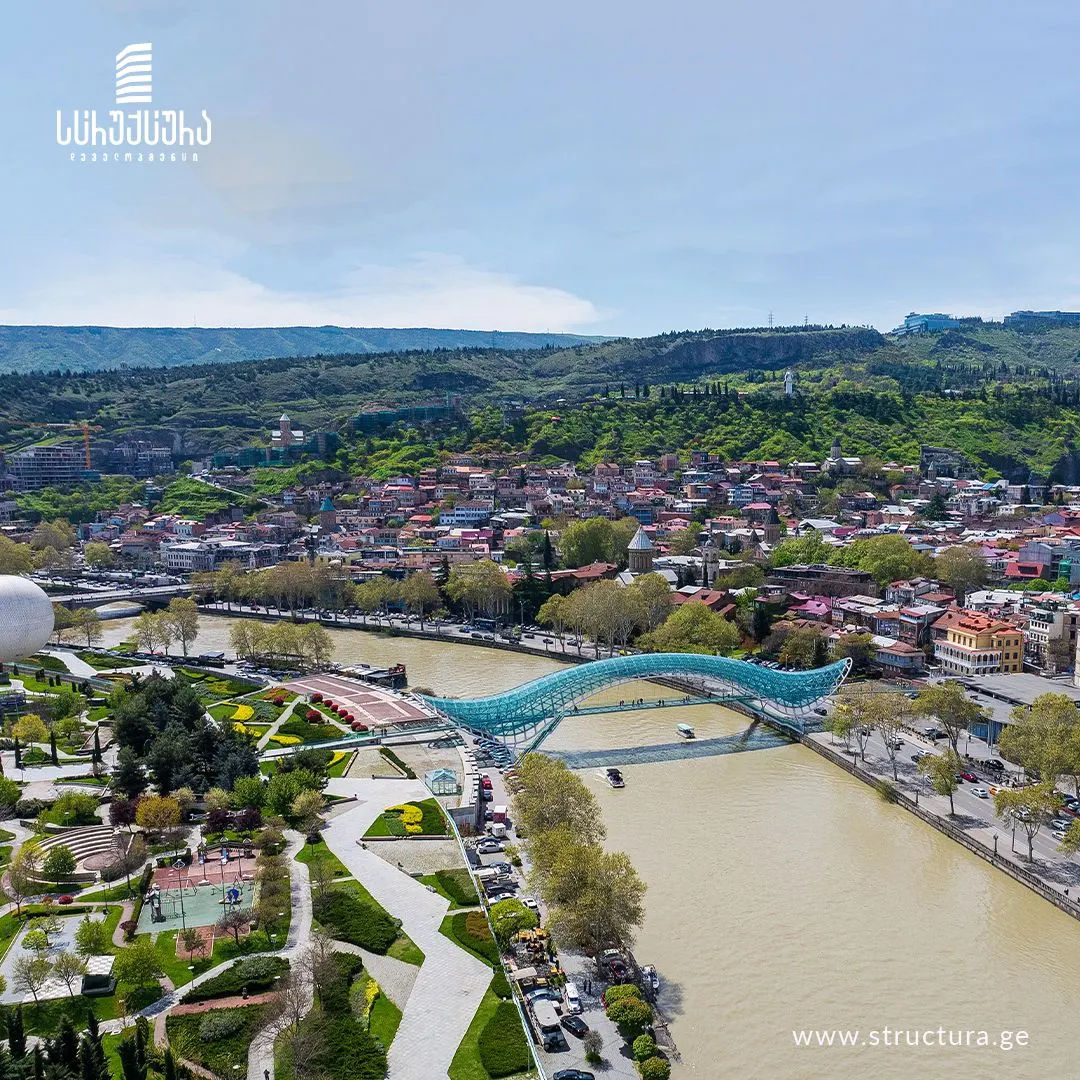
The Peace Bridge, stretching across the Mtkvari River in the heart of Tbilisi, is one of the most iconic symbols of the modern capital. Opened in 2010, this pedestrian bridge is a collaborative creation of Italian architect Michele De Lucchi and French lighting designer Philippe Martinaud. Although its construction initially sparked considerable debate for introducing an ultra-modern structure into a historic setting, over time the bridge has integrated organically into the cityscape, becoming a favorite gathering spot for both locals and tourists alike.
The architecture of the bridge stands out for its unique, undulating shape and glass canopy, evoking the silhouette of a marine creature or the fluid flow of the river. The 156-meter-long steel and glass structure becomes particularly breathtaking at night when illuminated by thousands of LED lights. The lighting system operates on a specialized program, using Morse code to display the chemical elements that make up the human body - a conceptual nod to human equality and unity.
The primary significance of the Peace Bridge lies in its symbolic and functional mission: it bridges the two historic banks of the Mtkvari, connecting the narrow, traditional streets of Old Town on the right with the modern park built on the historic Rike grounds on the left. It creates an architectural dialogue between Tbilisi’s past and 21st-century modernism, offering visitors stunning panoramic views of the heart of the capital. Today, the bridge is not merely a pedestrian thoroughfare, but a living manifesto of peaceful coexistence and the city’s continuous renewal.
#StructuraDevelopment #YouAreAtHome
სტრუქტურა ვაკე თაუერი საუკეთესო არჩევანია!
Structura Vake Tower is the premier choice!
#შენხარშინ #YouAreatHome
The Gldani Bridges represent one of the most vital transport hubs in northern Tbilisi, seamlessly connecting the Gldani residential district with Digomi and the city’s arterial highways. Construction began in the 1970s and 80s during a period of rapid urban expansion. Historically, these bridges played a transformative role in ending the district’s isolation, replacing the narrow, inadequate roads that previously served as the only link to the rest of the capital.
From an architectural perspective, the bridges are quintessential examples of Soviet-era industrial modernism, where the design philosophy prioritized structural integrity and functionality. Built from massive reinforced concrete, they were engineered to withstand the heavy traffic demands of a burgeoning population. Following recent extensive rehabilitation, the bridges have been modernized with upgraded roadways, contemporary lighting systems, and reinforced structural elements, giving them a refreshed, sophisticated appearance.
In terms of transport infrastructure, the Gldani Bridges serve as the city’s "arteries." Beyond facilitating the daily commute of tens of thousands of residents, they are crucial for freight and logistics, as they sit along major routes leading to the north of the country. Their efficient operation is directly linked to reducing traffic congestion and enhancing urban mobility in this part of Tbilisi, marking them as strategic urban assets.
The Gldani bridges stand as a testament to the Georgian school of engineering and a grand era of urban planning that laid the foundation for the modern northern gateway of the capital.
#StructuraDevelopment #YouAreAtHome
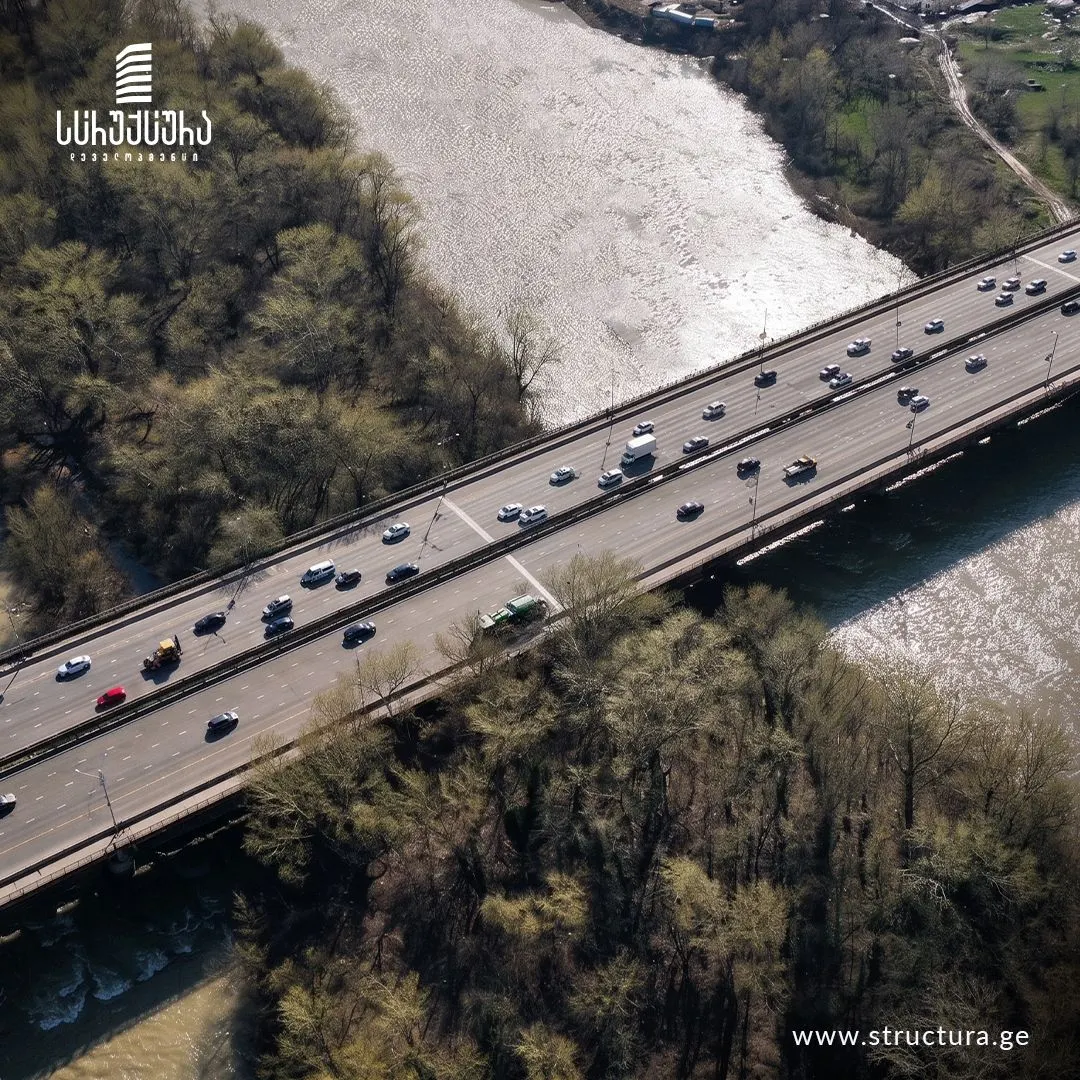
გლდანის ხიდები თბილისის ჩრდილოეთ ნაწილის ერთ-ერთი უმნიშვნელოვანესი სატრანსპორტო კვანძია, რომელიც გლდანის მასივს დიღომთან და ქალაქის ცენტრალურ მაგისტრალებთან აკავშირებს. მათი მშენებლობა გასული საუკუნის 70-80-იან წლებში, გლდანის საცხოვრებელი რაიონის აქტიური განაშენიანების პერიოდში დაიწყო. ისტორიულად, ამ ხიდებმა გადამწყვეტი როლი ითამაშეს გლდანის იზოლაციიდან გამოსაყვანად, რადგან მანამდე ეს ტერიტორია ქალაქის დანარჩენ ნაწილს მხოლოდ ვიწრო და მოუხერხებელი გზებით უკავშირდებოდა.
არქიტექტურული თვალსაზრისით, ხიდები საბჭოთა პერიოდის ინდუსტრიული მოდერნიზმის ნიმუშია, სადაც აქცენტი გაკეთებულია სიმტკიცესა და ფუნქციონალიზმზე. რკინაბეტონის მასიური კონსტრუქციები გათვლილია დიდ დატვირთვაზე, რაც აუცილებელი იყო მზარდი დასახლებისთვის. ბოლო წლებში ჩატარებული რეაბილიტაციის შედეგად, ხიდები მნიშვნელოვნად განახლდა: მოწესრიგდა სავალი ნაწილი, დამონტაჟდა თანამედროვე განათების სისტემები და გაძლიერდა კონსტრუქციული ელემენტები, რამაც მათ უფრო თანამედროვე იერსახე შესძინა.
სატრანსპორტო მნიშვნელობის მხრივ, გლდანის ხიდები ქალაქის არტერიებია. ისინი არა მხოლოდ ათიათასობით ადგილობრივი მცხოვრების გადაადგილებას უზრუნველყოფენ, არამედ მნიშვნელოვან როლს ასრულებენ ტვირთბრუნვაშიც, რადგან ამ მიმართულებით გადის ჩრდილოეთისკენ მიმავალი რამდენიმე ძირითადი გზა. ხიდების გამართული ფუნქციონირება პირდაპირ კავშირშია თბილისის ამ ნაწილში საცობების შემცირებასა და მობილობის გაზრდასთან, რაც მათ სტრატეგიულ ურბანულ ობიექტებად აქცევს.
გლდანის ხიდები ქართული საინჟინრო სკოლისა და ურბანული დაგეგმარების იმ დიდი ეპოქის ნაწილია, რომელმაც საფუძველი ჩაუყარა თანამედროვე თბილისის ჩრდილოეთ კარიბჭეს.
.
The Gldani Bridges represent one of the most vital transport hubs in northern Tbilisi, seamlessly connecting the Gldani residential district with Digomi and the city’s arterial highways. Construction began in the 1970s and 80s during a period of rapid urban expansion. Historically, these bridges played a transformative role in ending the district’s isolation, replacing the narrow, inadequate roads that previously served as the only link to the rest of the capital.
From an architectural perspective, the bridges are quintessential examples of Soviet-era industrial modernism, where the design philosophy prioritized structural integrity and functionality. Built from massive reinforced concrete, they were engineered to withstand the heavy traffic demands of a burgeoning population. Following recent extensive rehabilitation, the bridges have been modernized with upgraded roadways, contemporary lighting systems, and reinforced structural elements, giving them a refreshed, sophisticated appearance.
In terms of transport infrastructure, the Gldani Bridges serve as the city’s "arteries." Beyond facilitating the daily commute of tens of thousands of residents, they are crucial for freight and logistics, as they sit along major routes leading to the north of the country. Their efficient operation is directly linked to reducing traffic congestion and enhancing urban mobility in this part of Tbilisi, marking them as strategic urban assets.
The Gldani bridges stand as a testament to the Georgian school of engineering and a grand era of urban planning that laid the foundation for the modern northern gateway of the capital.
#სტრუქტურადეველოპმენტი #შენხარშინ
#StructuraDevelopment #YouAreAtHome
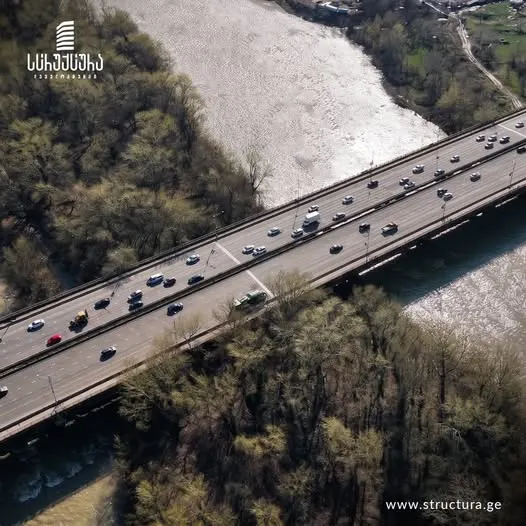
Experience refined living in the heart of the city.
Steps away from Mziuri Park, featuring a lobby, concierge service, around-the-clock security, and a full range of essential infrastructure.
Address: 5a Ilia Chavchavadze Ave.
For apartment inquiries, please call us at: *1234 or WhatsApp/Viber: +995 595 77 88 99
Structura Vake Tower – A better structure for life!
#StructuraDevelopment #StructuraVakeTower #TbilisiRealEstate #VakeApartments #NewHome #BestOffer #YouAreatHome
www.structura.ge

იცხოვრეთ კომფორტულად ქალაქის გულში!
მზიურის პარკის სიმწვანე, ლობი, კონსიერჟი, დაცვა და ყველა საჭირო ინფრასტრუქტურა.
მისამართი: ილია ჭავჭავაძის გამზირი 5ა.
ბინის შესაძენად დაგვირეკეთ ნომერზე: *1234 ან +995 595 77 88 99 WhatsApp/Viber
სტრუქტურა ვაკე თაუერი - უკეთესი ცხოვრების სტრუქტურა!
#სტრუქტურადეველოპმენტი #სტრუქტურავაკეთაუერი #თბილისისუძრავიქონება #ბინავაკეში #ახალისახლი #საუკეთესოშეთავაზება #შენხარშინ
•
Experience refined living in the heart of the city.
Steps away from Mziuri Park, featuring a lobby, concierge service, around-the-clock security, and a full range of essential infrastructure.
Address: 5a Ilia Chavchavadze Ave.
For apartment inquiries, please call us at: *1234 or WhatsApp/Viber: +995 595 77 88 99
Structura Vake Tower – A better structure for life!
#StructuraDevelopment #StructuraVakeTower #TbilisiRealEstate #VakeApartments #NewHome #BestOffer #YouAreatHome
www.structura.ge

The Shalikashvili Bridge, inaugurated in 1953, stands as a vital artery within the urban fabric of Tbilisi. Connecting Akaki Tsereteli Avenue to the Dighomi district, it serves as the city’s northern gateway. Constructed along the historical path of an ancient ferry crossing, the bridge carries a profound symbolic weight; through the expertise of engineer Vasil Dididze and architects Archil Kurdiani and Karlo Galdava-Otarashvili, this age-old transit point was transformed into a monumental feat of engineering.
The bridge's architectural persona blends the characteristic rigor and grandeur of the Stalinist era. Its façade, clad in Bolnisi golden tuff and grey granite, features a striking 72-meter arched span that harmonizes seamlessly with the Mtkvari riverbed. Although the Soviet iconography has since been removed from its decor, the bridge retains its original silhouette—a masterful intersection where traditional Georgian architectural motifs meet classical engineering.
Since the 1990s, the bridge has honored the memory of Shota Shalikashvili, the engineer who led its construction. Today, this 152-meter structure continues to withstand the heavy demands of modern city traffic, a testament to the meticulous precision and professionalism of its creators. The Shalikashvili Bridge remains one of those rare landmarks in Tbilisi where functional utility and aesthetic value have remained untarnished by the passage of time.
#StructuraDevelopment #YouAreAtHome
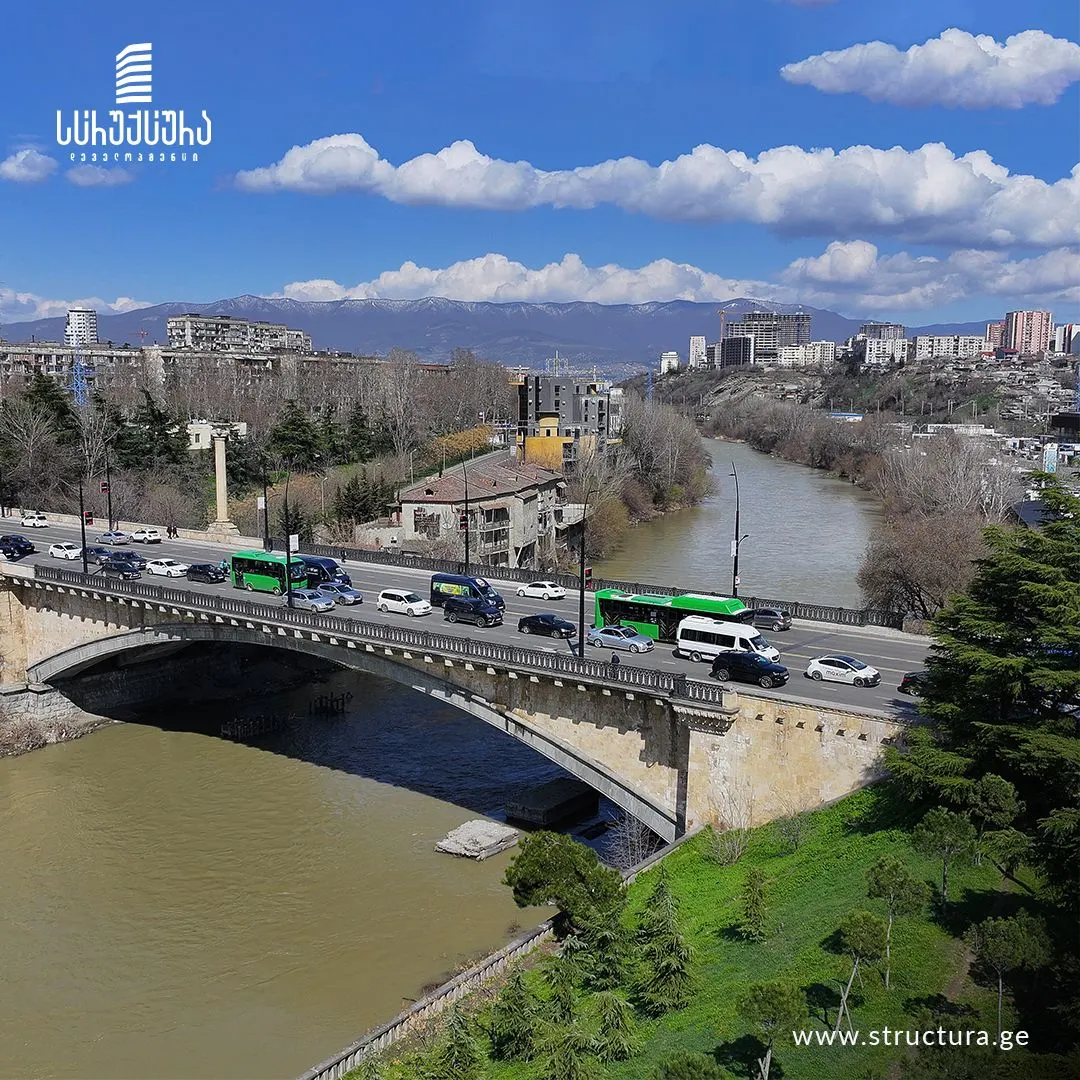
შალიკაშვილის ხიდი, რომელიც 1953 წელს გაიხსნა, თბილისის ურბანული ქსოვილის ერთ-ერთი უმნიშვნელოვანესი არტერიაა. ის არა მხოლოდ აკავშირებს აკაკი წერეთლის გამზირს დიღმის მასივთან, არამედ წარმოადგენს ქალაქის ჩრდილოეთ კარიბჭეს. ხიდი აგებულია ძველი ბორნის მოძრაობის ხაზზე, რაც მას სიმბოლურ დატვირთვასაც სძენს - საუკუნეების მანძილზე არსებული გადასასვლელი ინჟინერ ვასილ დიდიძისა და არქიტექტორების, არჩილ ქურდიანისა და კარლო გალდავა-ოთარაშვილის წყალობით, მონუმენტურ საინჟინრო ნაგებობად იქცა.
ხიდის არქიტექტურული იერსახე სტალინური ეპოქისთვის დამახასიათებელ სიმკაცრესა და დიდებულებას აერთიანებს. ბოლნისის ოქროსფერი ტუფითა და რუხი გრანიტით მოპირკეთებული ფასადი, თავისი 72-მეტრიანი თაღოვანი მალით, ჰარმონიულად ერწყმის მტკვრის კალაპოტს. მიუხედავად იმისა, რომ დეკორიდან საბჭოთა სიმბოლიკა უკვე მოხსნილია, ხიდი მაინც ინარჩუნებს პირვანდელ სილუეტს, სადაც ქართული ხუროთმოძღვრების ელემენტები და კლასიკური ინჟინერია ერთმანეთს ხვდება.
1990-იანი წლებიდან ხიდი მისი მშენებლობის ხელმძღვანელის, ინჟინერ შოთა შალიკაშვილის სახელს ატარებს. ეს 152 მეტრიანი კონსტრუქცია დღესაც უმკლავდება თანამედროვე ქალაქის მზარდ საავტომობილო ნაკადებს, რაც მისი ავტორების პროფესიონალიზმსა და გათვლების სიზუსტეზე მეტყველებს. შალიკაშვილის ხიდი თბილისის იმ იშვიათ ნაგებობათა რიცხვს მიეკუთვნება, სადაც ფუნქციური დატვირთვა და ესთეტიკური ღირებულება დრომ ვერ გააუფერულა.
.
The Shalikashvili Bridge, inaugurated in 1953, stands as a vital artery within the urban fabric of Tbilisi. Connecting Akaki Tsereteli Avenue to the Dighomi district, it serves as the city’s northern gateway. Constructed along the historical path of an ancient ferry crossing, the bridge carries a profound symbolic weight; through the expertise of engineer Vasil Dididze and architects Archil Kurdiani and Karlo Galdava-Otarashvili, this age-old transit point was transformed into a monumental feat of engineering.
The bridge's architectural persona blends the characteristic rigor and grandeur of the Stalinist era. Its façade, clad in Bolnisi golden tuff and grey granite, features a striking 72-meter arched span that harmonizes seamlessly with the Mtkvari riverbed. Although the Soviet iconography has since been removed from its decor, the bridge retains its original silhouette—a masterful intersection where traditional Georgian architectural motifs meet classical engineering.
Since the 1990s, the bridge has honored the memory of Shota Shalikashvili, the engineer who led its construction. Today, this 152-meter structure continues to withstand the heavy demands of modern city traffic, a testament to the meticulous precision and professionalism of its creators. The Shalikashvili Bridge remains one of those rare landmarks in Tbilisi where functional utility and aesthetic value have remained untarnished by the passage of time.
#სტრუქტურადეველოპმენტი #შენხარშინ
#StructuraDevelopment #YouAreAtHome
არ გავდე სხვას!
რეკომენდებულია ბოლომდე ყურება.
#სტრუქტურადეველოპმენტი #შენხარშინ
.
Be Different!
Full view highly recommended.
#StructuraDevelopment #YouAreatHome
The Ortachala New Bridge stands as one of the most significant symbols of Tbilisi’s modern urban evolution. More than just an engineering feat, it serves as a vital nexus connecting two distinct worlds: the historic charm of Krtsanisi and the industrial landscape of Isani.
Constructed in the early 2000s, the bridge emerged during a pivotal era of infrastructural renewal, acting as a metaphorical gateway to the future. Its completion effectively ended the isolation of the old, narrow Ortachala district, transforming the area into one of the city’s most active transport arteries.
The vision of architects Vakhtang Lomsadze and Gia Nadiradze, along with engineer Shota Gazashvili, centered on functionality and structural permanence. The bridge is characterized by its impressive width and massive reinforced concrete piers, reflecting a design philosophy where strength takes precedence. Its visual identity is defined by a lack of heavy ornamentation - a characteristic trait of Tbilisi's early 21st-century infrastructure. These clean, rigorous lines harmonize with the surrounding modern architecture to create a dynamic and cohesive urban landscape over the Mtkvari River.
The impact of the bridge on Tbilisi’s traffic network was transformative. Before its existence, movement was largely restricted to the narrow crossing at The Ortachala Hydroelectric Bridge, which led to chronic congestion. The new bridge provided a direct and efficient link toward the Kakheti Highway and the city of Rustavi, offering the high throughput capacity essential for the heavy traffic flowing through Tbilisi’s southern entrance. Today, the structure remains an indispensable part of the city’s fabric - a solid and strategic lifeline that ensures the pulse of the capital remains steady and uninterrupted.
#StructuraDevelopment #YouAreAtHome
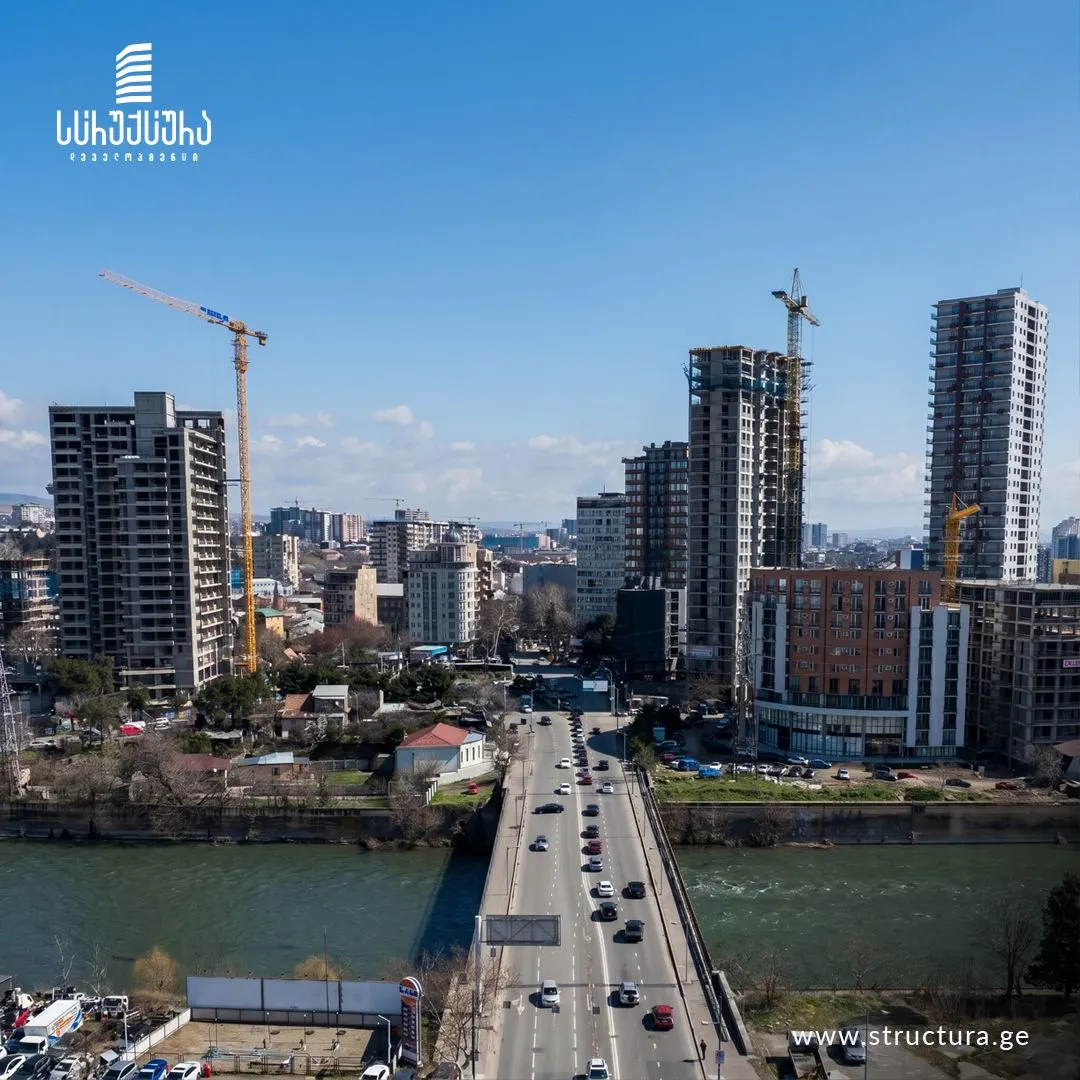
ორთაჭალის ახალი ხიდი თბილისის თანამედროვე ურბანული განვითარების ერთ-ერთი ყველაზე მასშტაბური სიმბოლოა. იგი არა მხოლოდ საინჟინრო ნაგებობა, არამედ ქალაქის ორი სრულიად განსხვავებული ნაწილის - ისტორიული კრწანისისა და ინდუსტრიული ისნის დამაკავშირებელი მთავარი კვანძია.
ხიდი 2000-იანი წლების დასაწყისში აშენდა, იმ პერიოდში, როდესაც თბილისმა ინფრასტრუქტურული განახლების ახალი ეტაპი დაიწყო. იგი გახდა ერთგვარი ხიდი მომავლისკენ, რომელმაც დაასრულა ძველი, ვიწრო ორთაჭალის იზოლაცია და ეს უბანი ქალაქის ერთ-ერთ ყველაზე აქტიურ სატრანსპორტო არტერიად აქცია.
ხიდის ავტორებმა (არქიტექტორები: ვახტანგ ლომსაძე და გია ნადირაძე, ინჟინერი შოთა გაზაშვილი) აქცენტი ფუნქციონალურობასა და სიმტკიცეზე გააკეთეს. ნაგებობა სიგანითა და მასიური რკინაბეტონის ბურჯებით გამოირჩევა. მისი ვიზუალური მხარე არ არის გადატვირთული დეკორაციული ელემენტებით, რაც 21-ე საუკუნის დასაწყისის თბილისური ინფრასტრუქტურული პროექტებისთვის არის დამახასიათებელი. ხიდის სწორი, მკაცრი ხაზები კარგად ეხამება მიმდებარე თანამედროვე შენობების არქიტექტურას და დინამიკურ ურბანულ პეიზაჟს ქმნის მტკვრის თავზე.
ხიდის აშენებამ თბილისის საგზაო რუკაზე ნამდვილი გარდატეხა მოახდინა. მანამდე მოძრაობა ძირითადად ორთაჭალჰესის ვიწრო ხიდზე გადიოდა, რაც მუდმივ საცობებს ქმნიდა. ახალმა ხიდმა პირდაპირი გასასვლელი გაჭრა კახეთის გზატკეცილისა და რუსთავის მიმართულებით. ხიდი გათვლილია მაღალ გამტარიანობაზე, რაც სასიცოცხლოდ მნიშვნელოვანია ქალაქის სამხრეთ შესასვლელიდან მომავალი ნაკადებისთვის. დღეს ეს ნაგებობა თბილისის განუყოფელი ნაწილია - მყარი, საიმედო და სტრატეგიული, რომელიც ყოველდღიურად ათიათასობით ავტომობილს ატარებს და ქალაქის პულსაციას უწყვეტს ხდის.
.
The Ortachala New Bridge stands as one of the most significant symbols of Tbilisi’s modern urban evolution. More than just an engineering feat, it serves as a vital nexus connecting two distinct worlds: the historic charm of Krtsanisi and the industrial landscape of Isani.
Constructed in the early 2000s, the bridge emerged during a pivotal era of infrastructural renewal, acting as a metaphorical gateway to the future. Its completion effectively ended the isolation of the old, narrow Ortachala district, transforming the area into one of the city’s most active transport arteries.
The vision of architects Vakhtang Lomsadze and Gia Nadiradze, along with engineer Shota Gazashvili, centered on functionality and structural permanence. The bridge is characterized by its impressive width and massive reinforced concrete piers, reflecting a design philosophy where strength takes precedence. Its visual identity is defined by a lack of heavy ornamentation - a characteristic trait of Tbilisi's early 21st-century infrastructure. These clean, rigorous lines harmonize with the surrounding modern architecture to create a dynamic and cohesive urban landscape over the Mtkvari River.
The impact of the bridge on Tbilisi’s traffic network was transformative. Before its existence, movement was largely restricted to the narrow crossing at The Ortachala Hydroelectric Bridge, which led to chronic congestion. The new bridge provided a direct and efficient link toward the Kakheti Highway and the city of Rustavi, offering the high throughput capacity essential for the heavy traffic flowing through Tbilisi’s southern entrance. Today, the structure remains an indispensable part of the city’s fabric - a solid and strategic lifeline that ensures the pulse of the capital remains steady and uninterrupted.
#სტრუქტურადეველოპმენტი #შენხარშინ
#StructuraDevelopment #YouAreAtHome
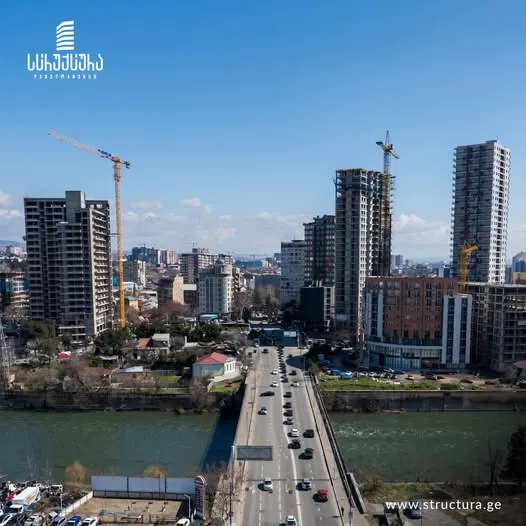
იცხოვრეთ მზიურის პარკის სიმწვანეში!
მისამართი: ილია ჭავჭავაძის გამზირი 5ა.
სტრუქტურა ვაკე თაუერი - უკეთესი ცხოვრების სტრუქტურა, სადაც შენ ხარ შინ!
ბინის შესაძენად დაგვირეკეთ ნომერზე: *1234 ან +995 595 77 88 99 WhatsApp/Viber
#სტრუქტურადეველოპმენტი #სტურქტურავაკეთაუერი #ბინავაკეში #შენხარშინ
•
Experience life in the lush greenery of Mziuri Park!
Address: 5a Ilia Chavchavadze Ave.
Structura Vake Tower - A better structure for life, where you trully feel at home!
For apartment inquiries, please call us at *1234 or WhatsApp/Viber: +995 595 77 88 99
#StructuraDevelopment #StructuraVakeTower #VakeApartments #YouAreatHome
ჩვენი გუნდი გილოცავთ აღდგომას!
Happy Easter from our team to you!
#სტრუქტურადეველოპმენტი #შენხარშინ
#StructuraDevelopment #YouAreatHome

Redefine comfort at Structura Vake Tower.
Address: 5a Ilia Chavchavadze Ave.
For apartment inquiries, please call us at *1234 or WhatsApp/Viber: +995 595 77 88 99
Structura Vake Tower - A better structure for life, where you truly feel at home!
#StructuraDevelopment #StructuraVakeTower #TbilisiRealEstate #VakeApartments #YouAreatHome
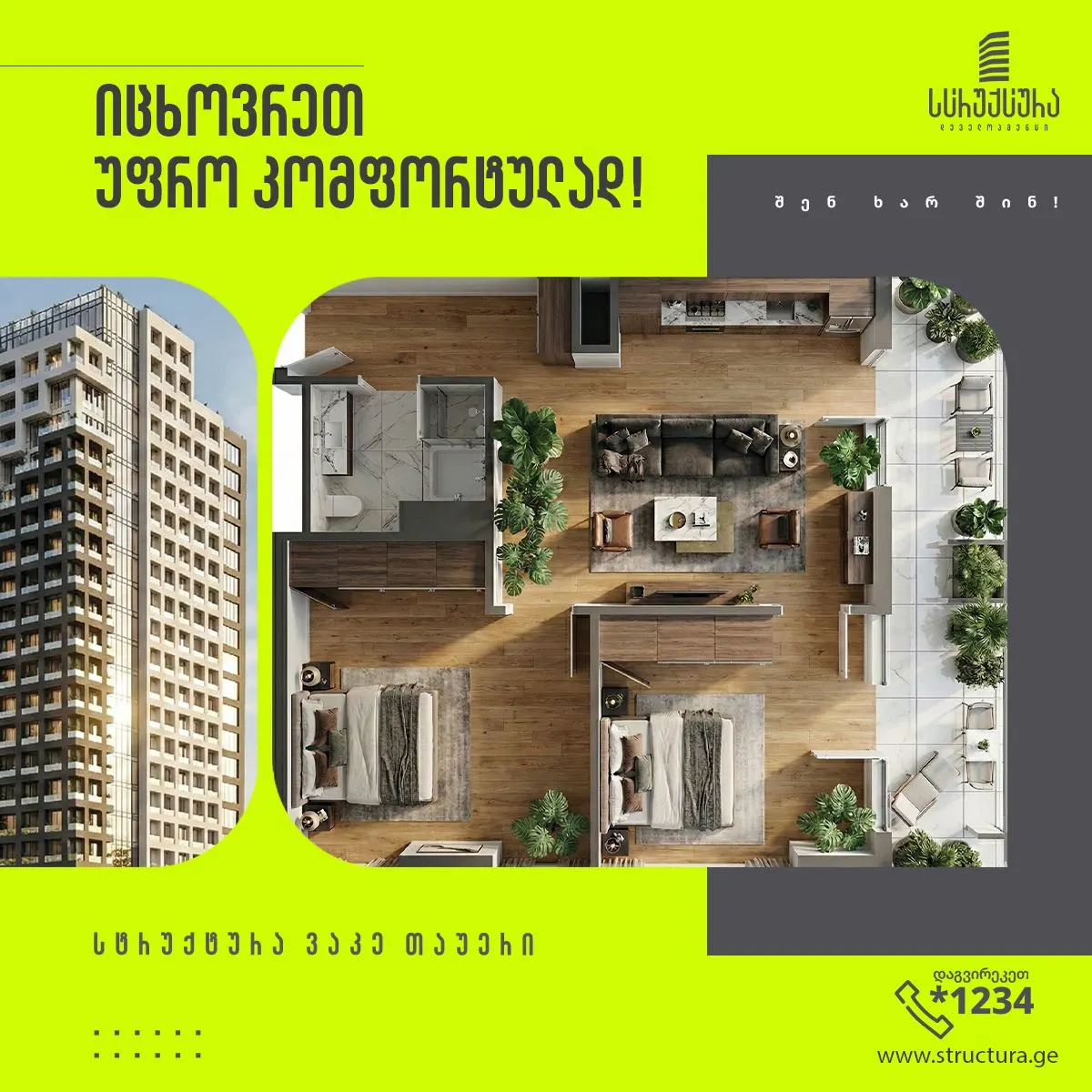
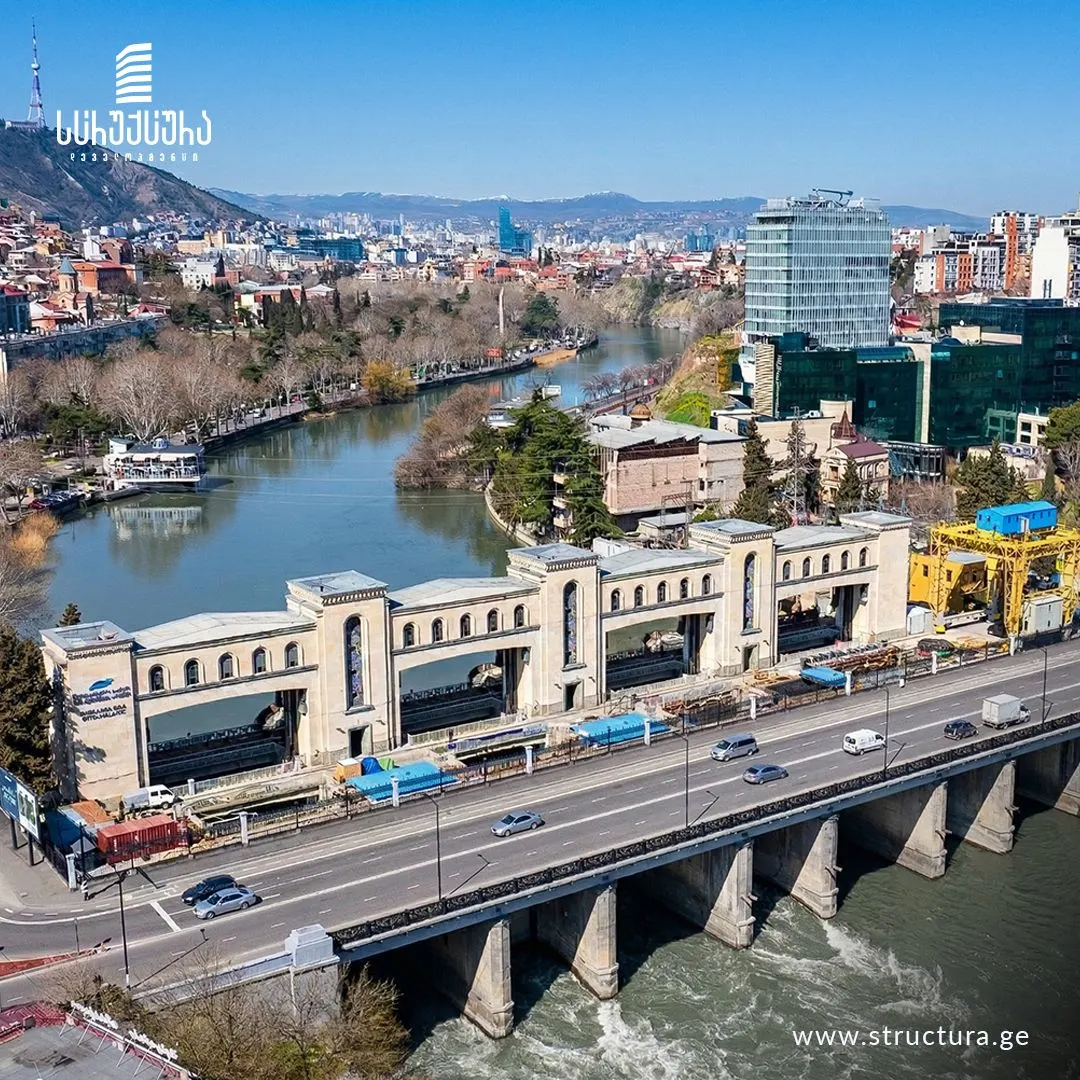
The Ortachala Hydroelectric Bridge is a unique landmark of Tbilisi’s architecture. More than a simple river crossing, it represents a rare engineering symbiosis - a bridge-dam where transportation and energy infrastructure are seamlessly integrated.
Commissioned in 1954, the complex was an ambitious project for its time. Designed by architects Nikoloz Nasaridze and Konstantine Chkheidze, the bridge spans directly across the hydroelectric dam and was conceived from the outset as an integral part of a unified engineering ensemble. Beyond power generation, the project aimed to regulate the flow of the Mtkvari River and facilitate the urban development of its embankments.
The complex is defined by its monumental character. With its distinctive arched windows and massive facade, the powerhouse serves as a primary visual landmark for this part of the city. As the bridge is built directly atop the dam, its structure is engineered to withstand immense loads, simultaneously managing the powerful hydraulic pressure of the river and a heavy flow of vehicular traffic. The bridge offers a striking contrast of views: on one side lies the calm, mirrored surface of the reservoir, while the other reveals the roaring energy of water cascading through the spillways.
As a strategic artery, the bridge connects the right and left banks of the Mtkvari, linking the Ortachala and Isani districts. To this day, it remains a vital route for intercity transport heading toward Georgia’s southeastern exits. The structure serves a triple purpose: generating renewable energy, regulating the river’s water level, and ensuring a constant transport link.
The Ortachala Hydroelectric Bridge stands as a living monument of Tbilisi - a testament to an era when engineering solutions merged maximum pragmatism with architectural resilience.
#StructuraDevelopment #YouAreAtHome